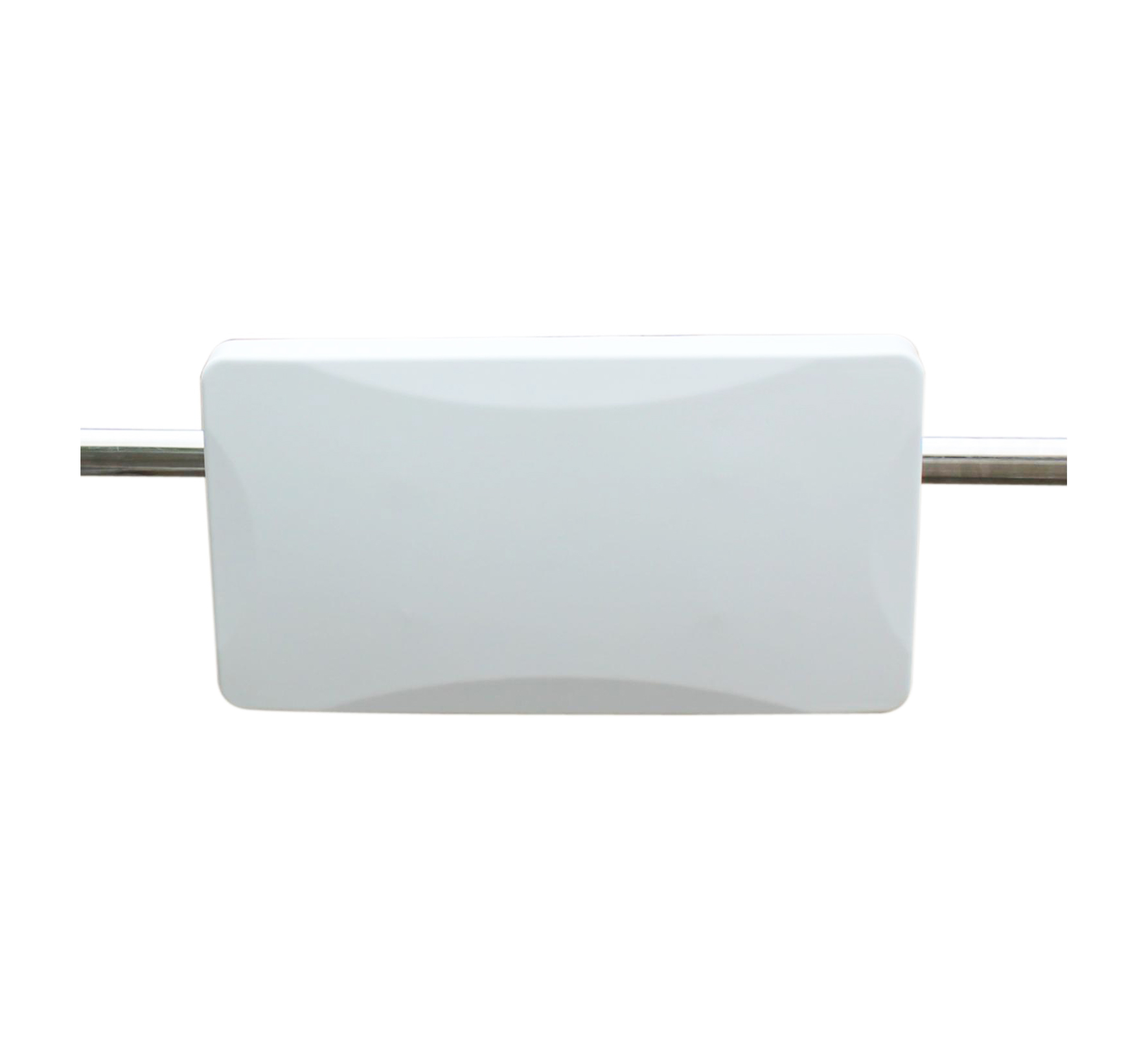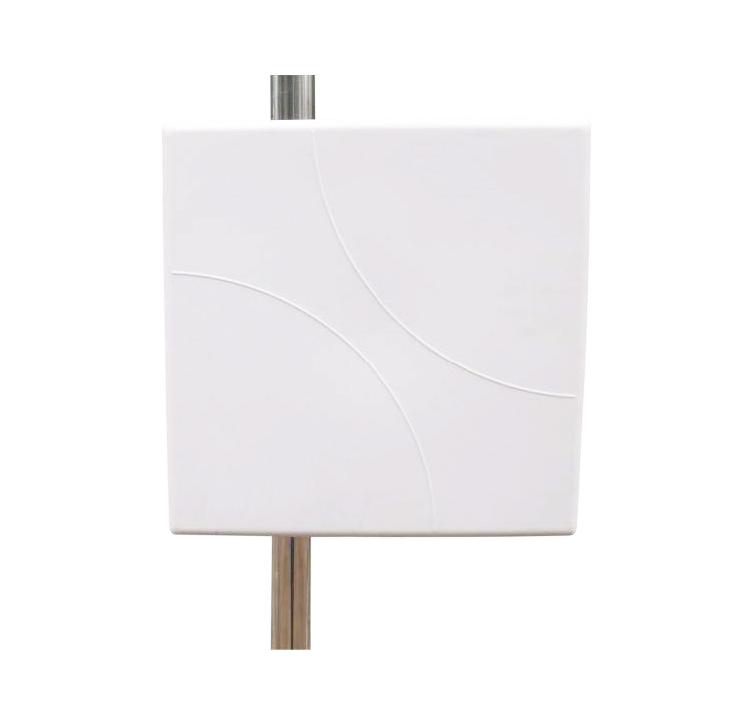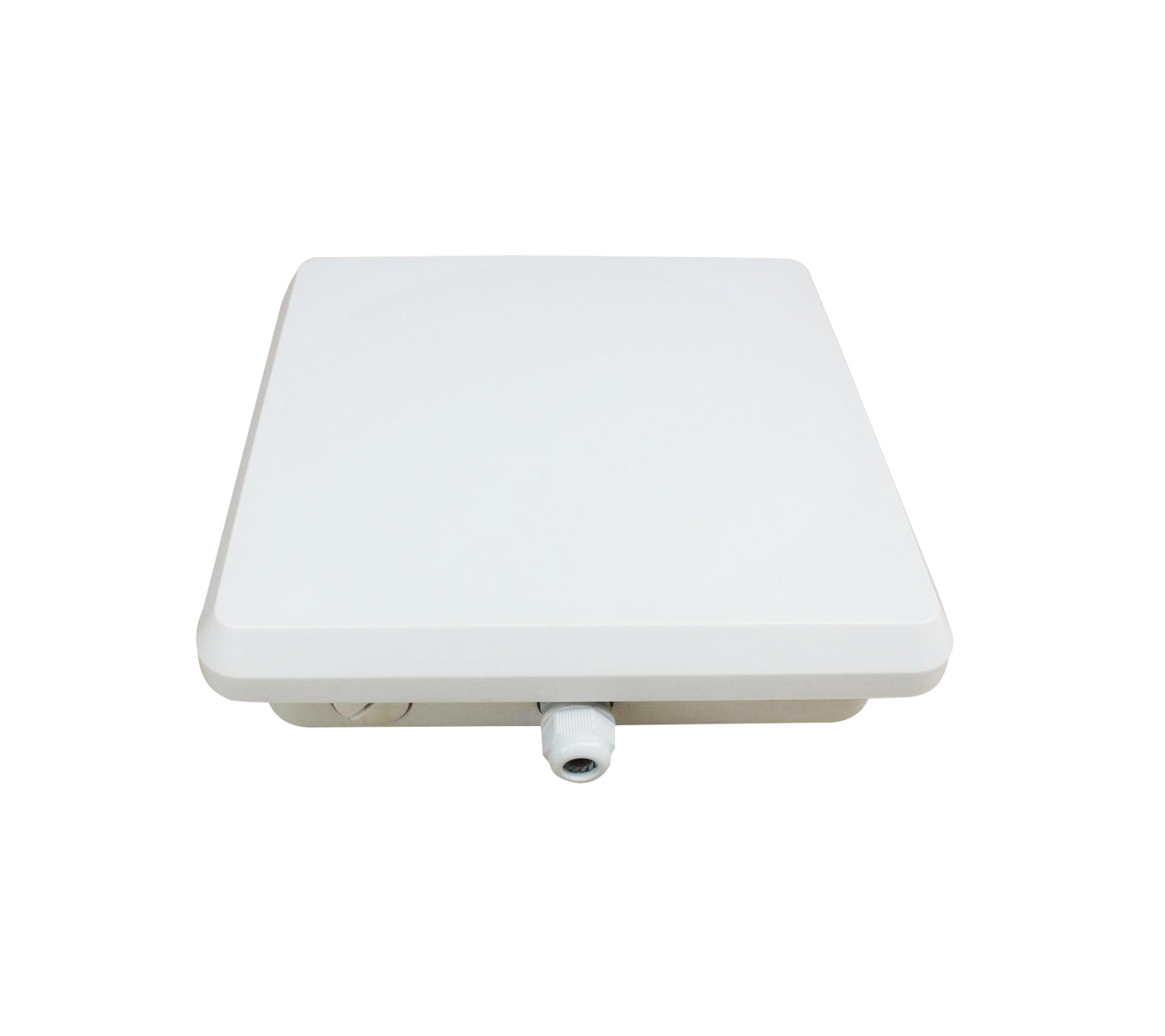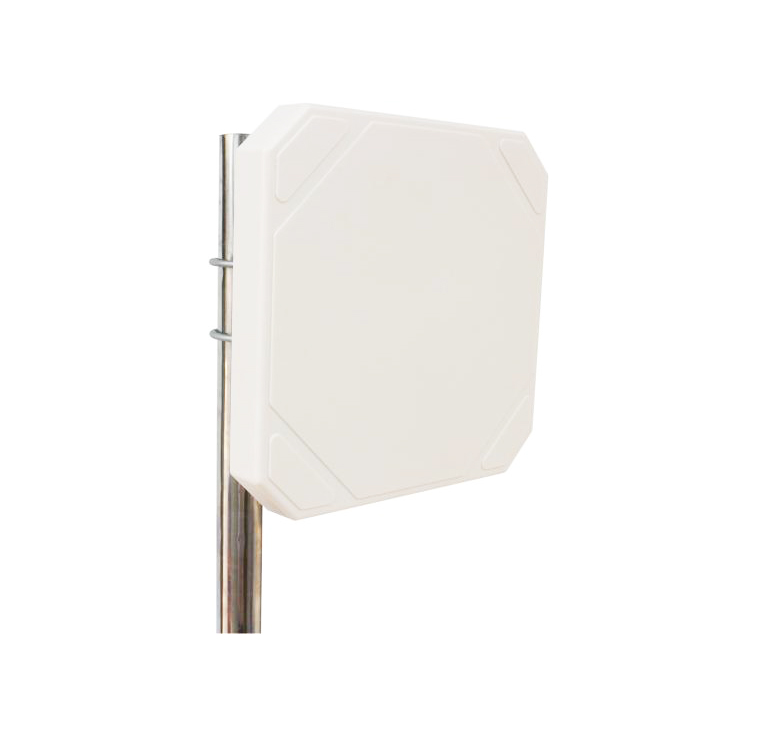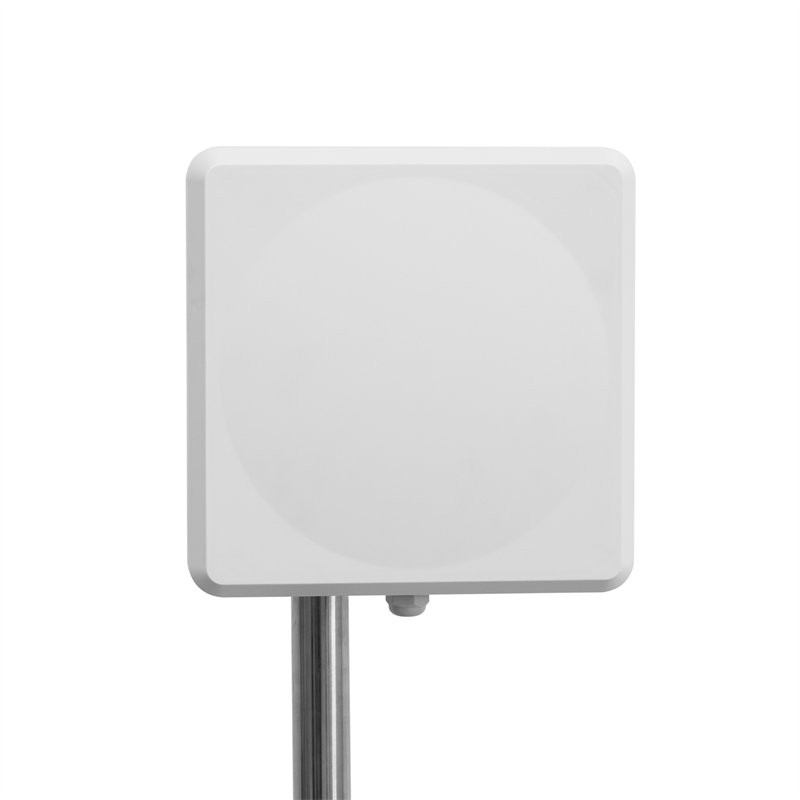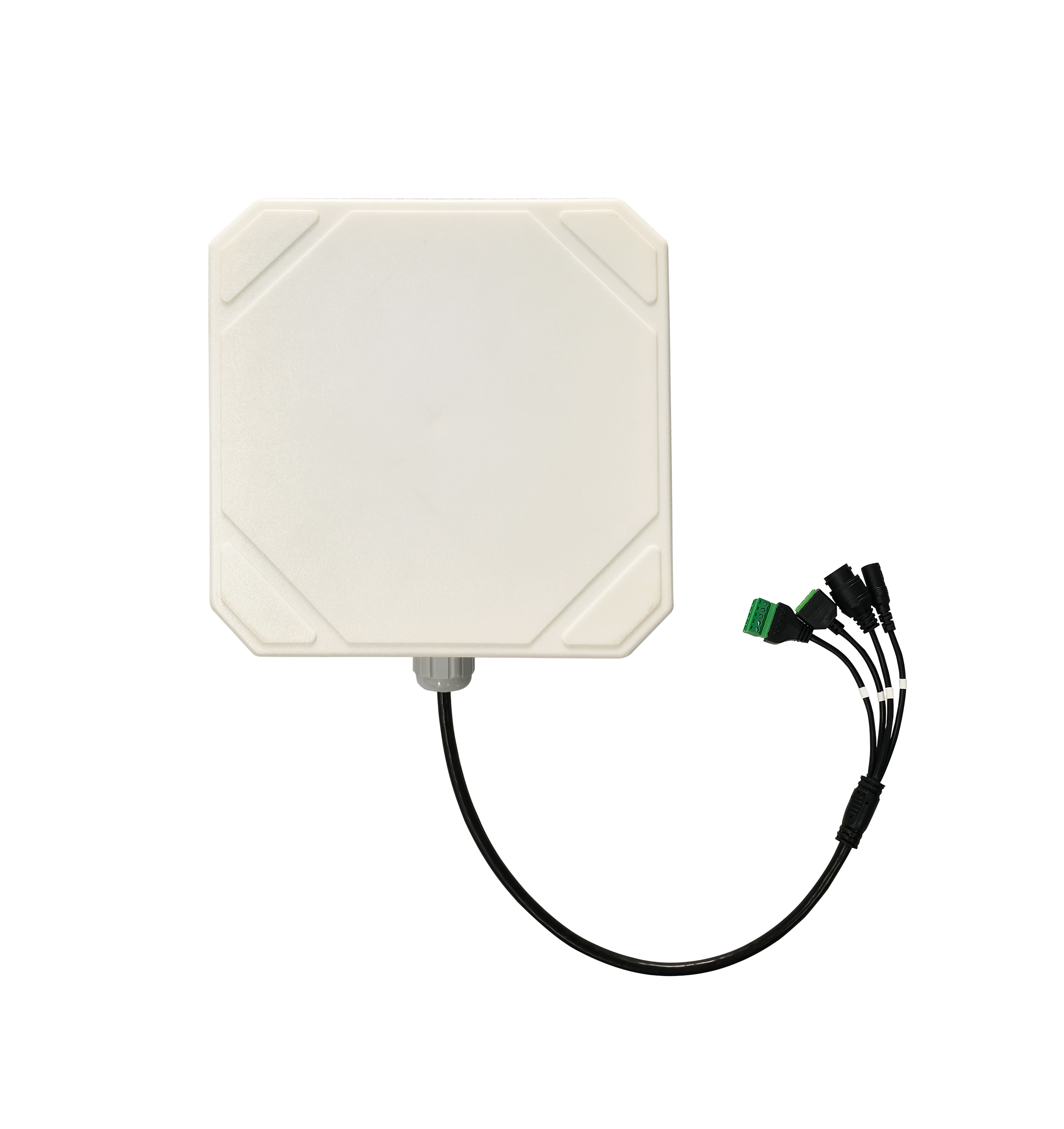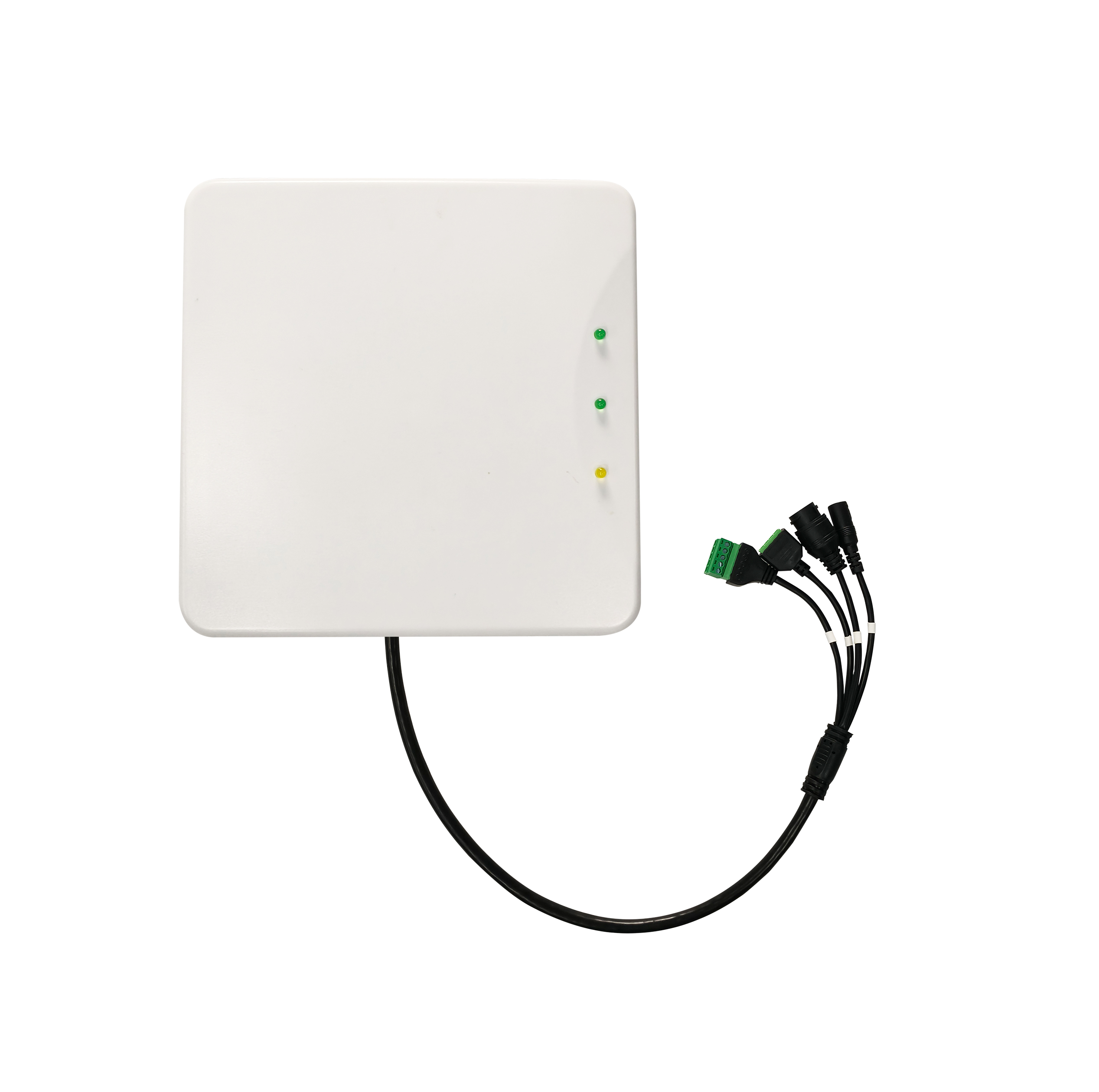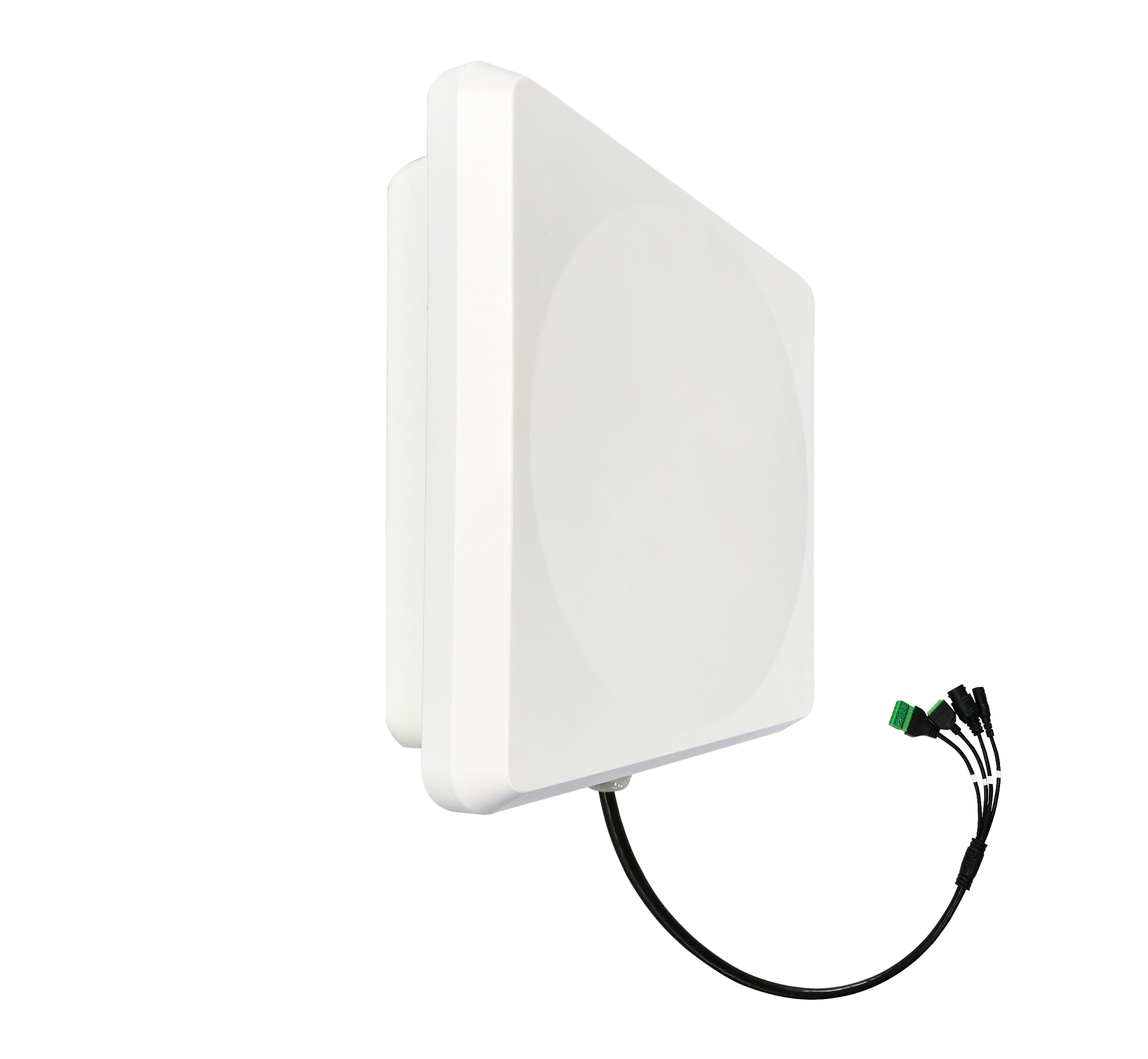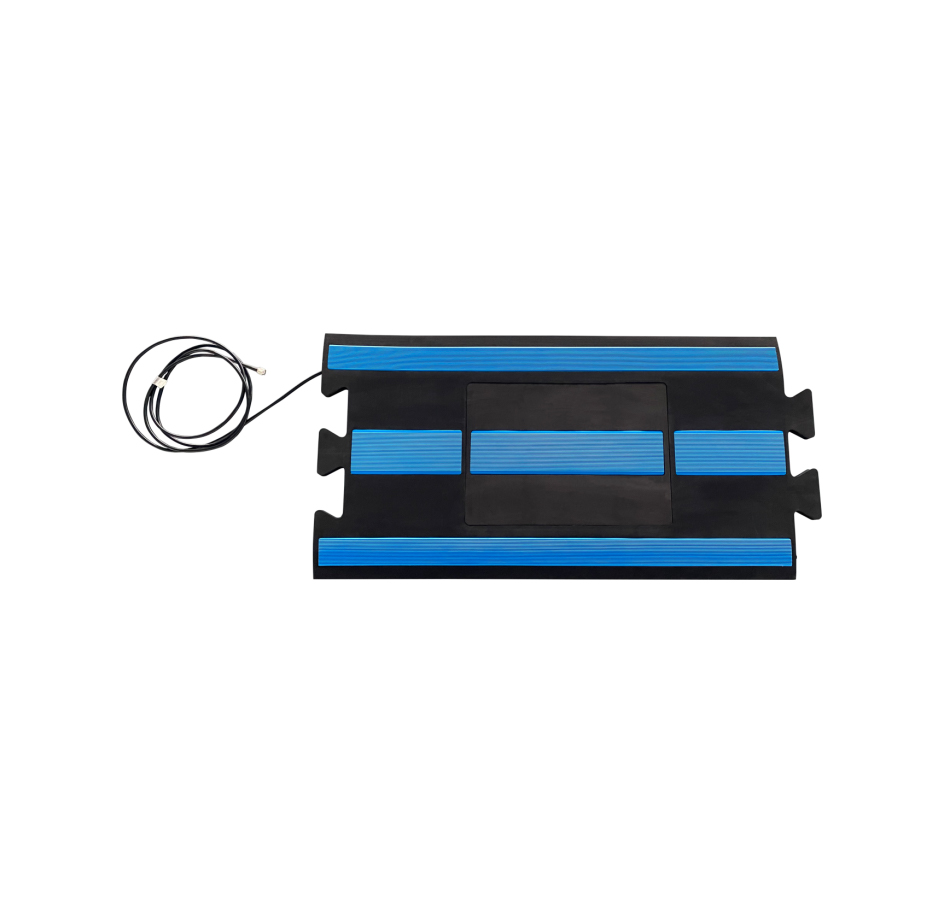



BBT ANTENNAS — это производитель RFID антенн, поставляющий UHF панельные, ближнего поля, печатные (PCB), ковриковые и интегрированные антенны-считыватели для систем инвентаризации, контроля доступа, производства и отслеживания активов. Ознакомьтесь с доступными диапазонами и вариантами усиления, затем отправьте ваши требования к частоте, поляризации, разъему, установке и количеству для получения коммерческого предложения на стандартные, индивидуальные или OEM решения.
Типы RFID антенн для различных зон считывания
| Тип продукта RFID | Критерий выбора | Обычное применение в проектах |
|---|---|---|
| RFID антенны ближнего поля (Near-Field) | Контролируемые зоны считывания малого радиуса | Прилавки, шкафы, розничная торговля и идентификация на уровне товара |
| UHF RFID панельные антенны | Усиление, поляризация и направленность покрытия | Склады, точки доступа, производственные линии и идентификация транспортных средств |
| RFID антенны PCB (печатные платы) | Компактный форм-фактор и место для интеграции | Оборудование для считывателей и RFID системы с ограниченным пространством |
| Универсальные RFID считыватели (All-in-One) | Интегрированная конфигурация считывателя и антенны | Проекты, требующие комбинированного устройства из UHF RFID считывателя и антенны |
| RFID ковриковые антенны | Зоны считывания на уровне пола или в проходах | Дверные проемы, идентификация на мероприятиях и отслеживание перемещений |
| Индивидуальные RFID антенны | Нестандартные проектные требования | Проекты с нестандартными требованиями к частоте, корпусу или монтажу |
Согласование RFID антенны со считывателем и местом установки
Выбор частоты RFID начинается со считывателя, системы меток и рынка внедрения. Выберите модель, оптимизированную для требуемого вам диапазона UHF, например 860-868 MHz, 902-928 MHz или 920-925 MHz. Модели интегрированных считывателей, обеспечивающие широкое покрытие 860-960 MHz, также доступны для поддержки различных региональных стандартов.
- Диапазон частот: Убедитесь, что антенна соответствует частоте считывателя и конкретному диапазону, регулируемому на вашем целевом рынке.
- Зона считывания: Учитывайте, требует ли ваш проект контролируемой зоны ближнего поля, направленного панельного покрытия, обнаружения прохода или специализированной компоновки.
- Усиление и ширина луча: Оцените необходимую зону покрытия, расстояние установки и направление сигнала, чтобы выбрать подходящее усиление.
- Поляризация: Выберите линейную или круговую поляризацию в зависимости от ориентации ваших меток и настройки системы считывателя.
- Разъем и установка: Убедитесь, что RF разъем, расположение кабеля и механизмы крепления подходят для доступного места установки.
- Условия эксплуатации: Учитывайте, будет ли антенна установлена в помещении, на открытом воздухе, смонтирована на оборудовании или подвержена воздействию в местах с высокой проходимостью.
Что указать при запросе цены на RFID антенну
Для получения точной рекомендации или коммерческого предложения на RFID антенну, пожалуйста, укажите:
- Требуемый диапазон частот и целевой рынок
- Модель RFID считывателя или детали интерфейса считывателя
- Целевая зона считывания и схема установки
- Предпочтительное усиление, поляризация и тип разъема
- Установка в помещении или на открытом воздухе
- Требуемое количество и место доставки
- Брендирование OEM, упаковка или другие индивидуальные требования
Для индивидуальной разработки антенн или производства под собственной торговой маркой (private-label), ознакомьтесь с возможностями BBT ANTENNAS по созданию индивидуальных антенн и OEM/ODM производству.