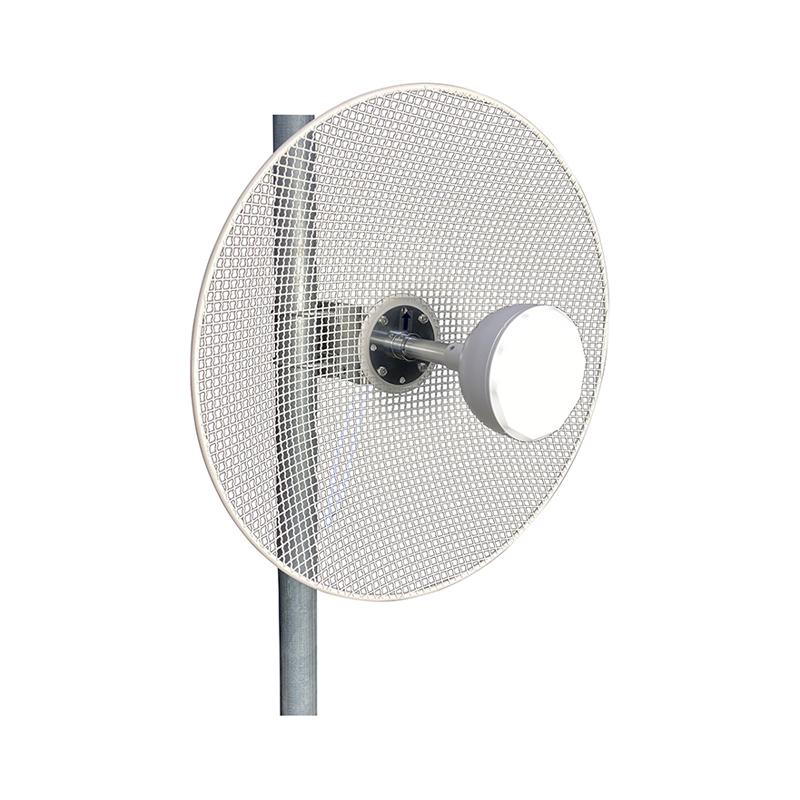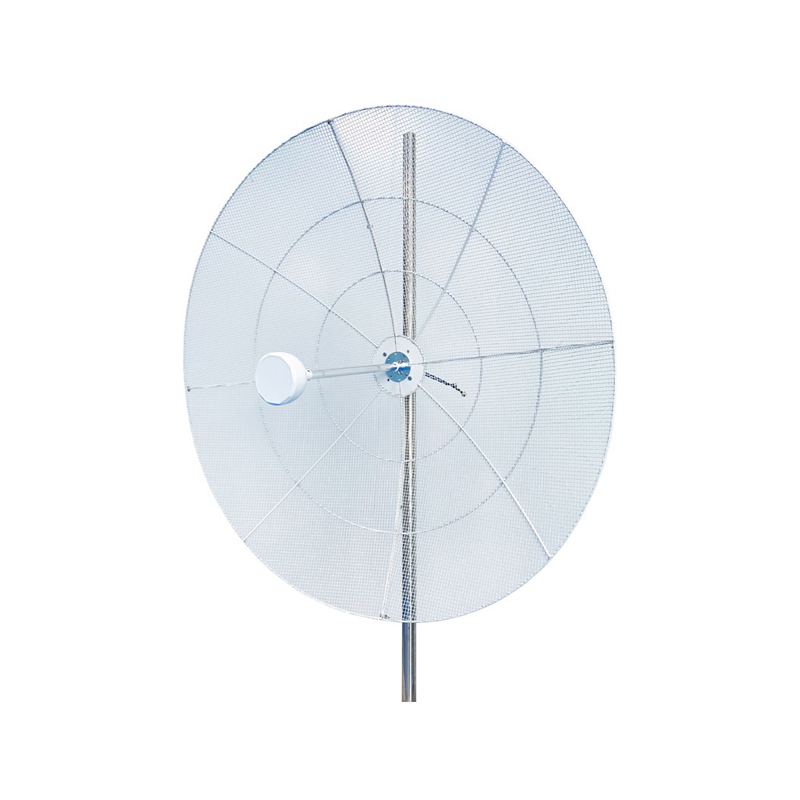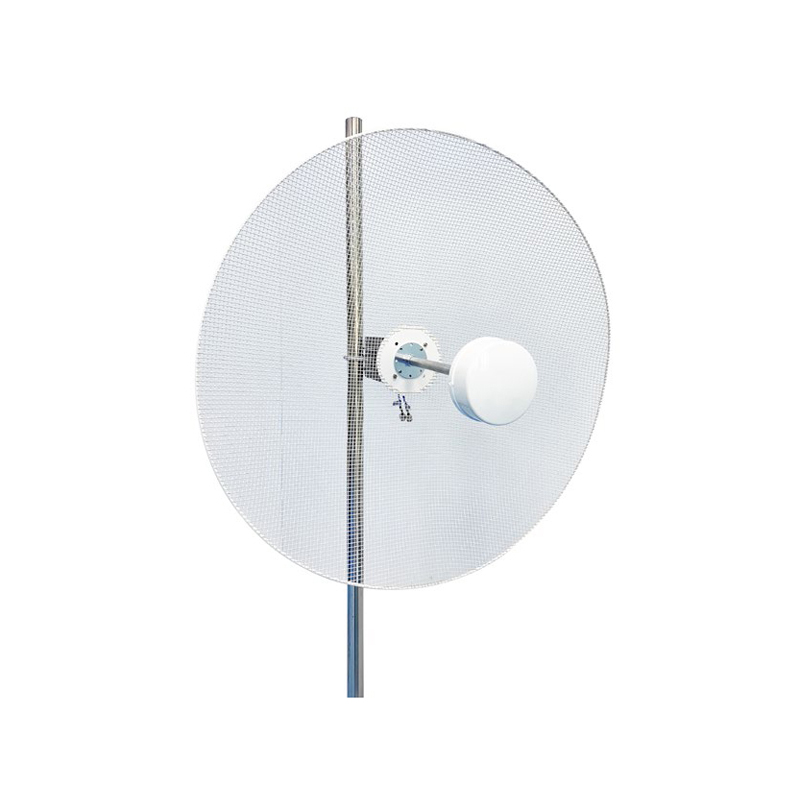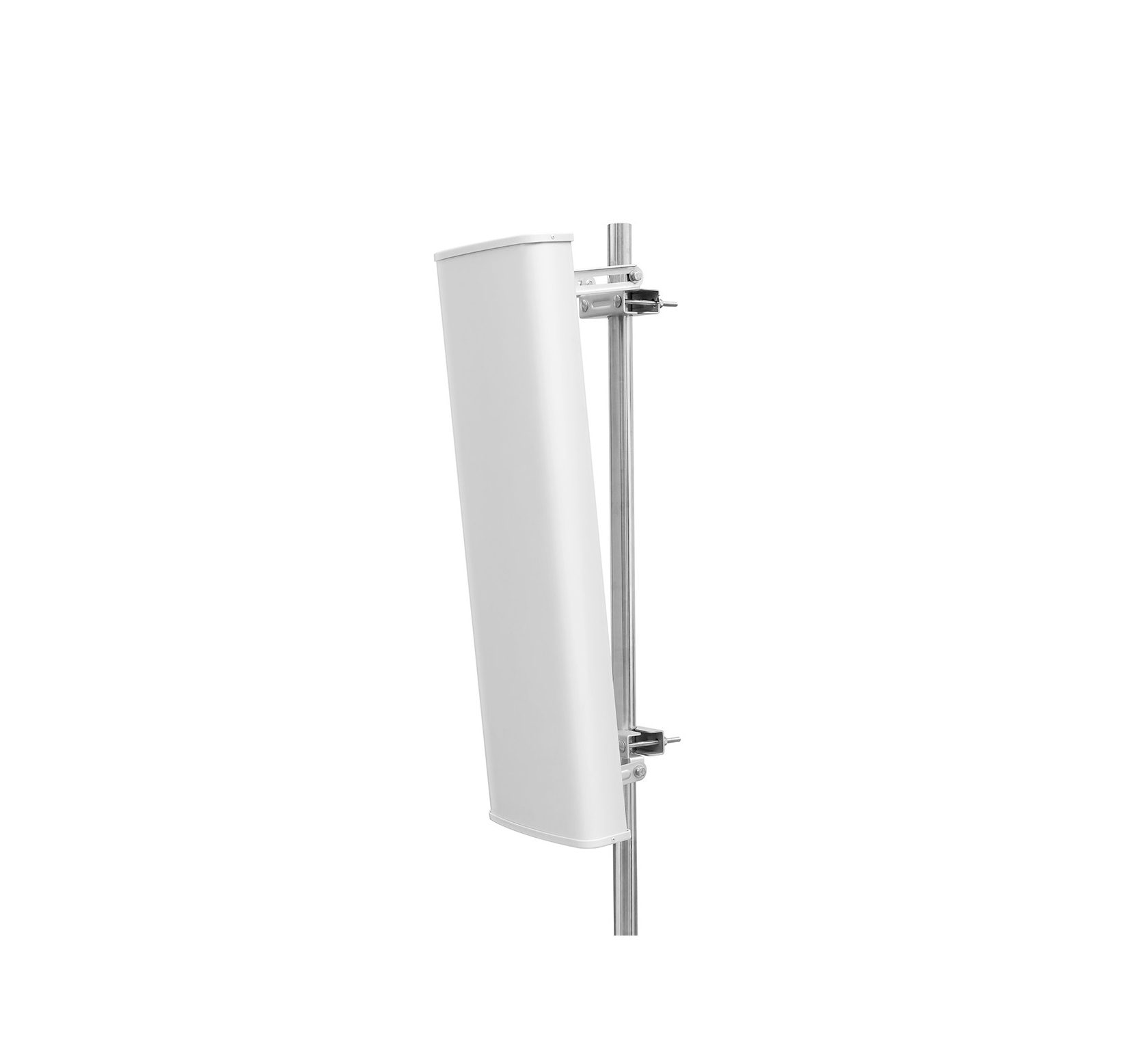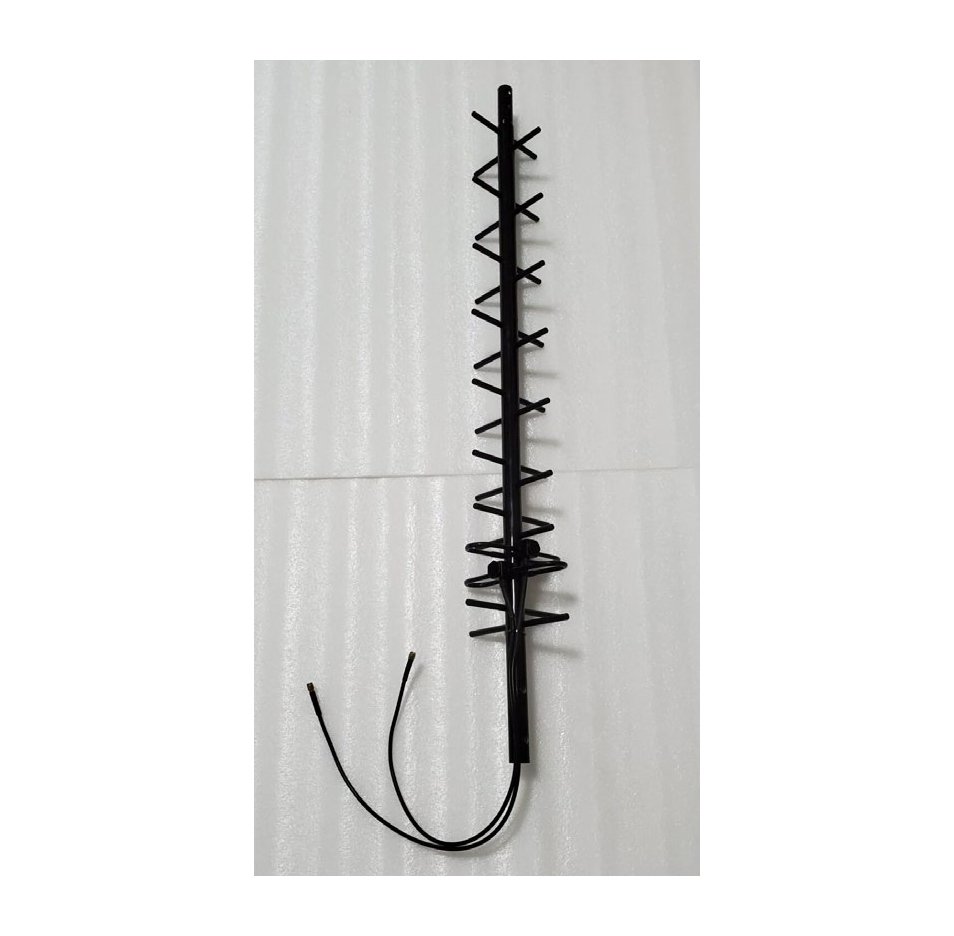



BBT ANTENNAS — это производитель антенн 5G, поставляющий секторные, всенаправленные, параболические, антенны Yagi, панельные CPE и RET для проектов BTS и базовых станций. Категории нашей продукции охватывают диапазоны частот от 617 MHz до 6000 MHz. Оценив типы антенн, диапазоны, диаграммы направленности и варианты монтажа, вы легко найдете подходящее решение. Свяжитесь с нами, указав ваши спецификации, для получения стандартного, индивидуального или OEM коммерческого предложения.
Ассортимент антенн для BTS и базовых станций
| Тип антенны | Диапазон категории | Критерии выбора | Типичные применения |
|---|---|---|---|
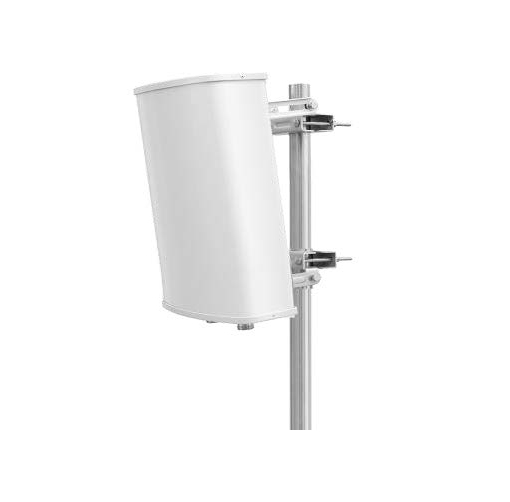
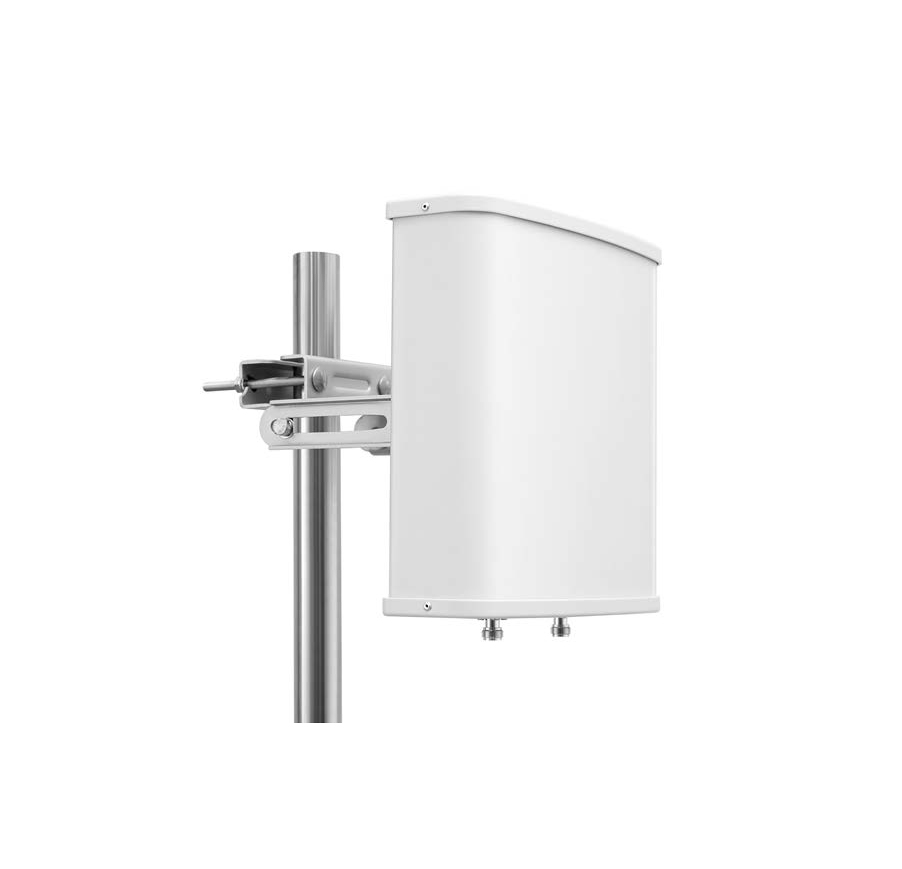
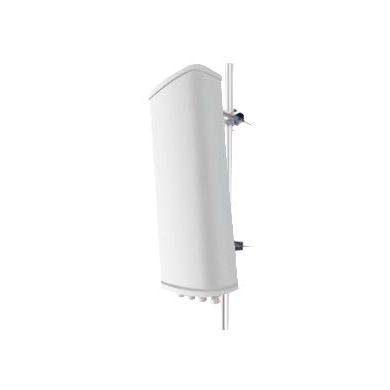
| Секторные антенны | 698-6000 MHz | Направленный секторный охват, коэффициент усиления, ширина луча и поляризация | Базовые станции и определенные сектора наружного покрытия |
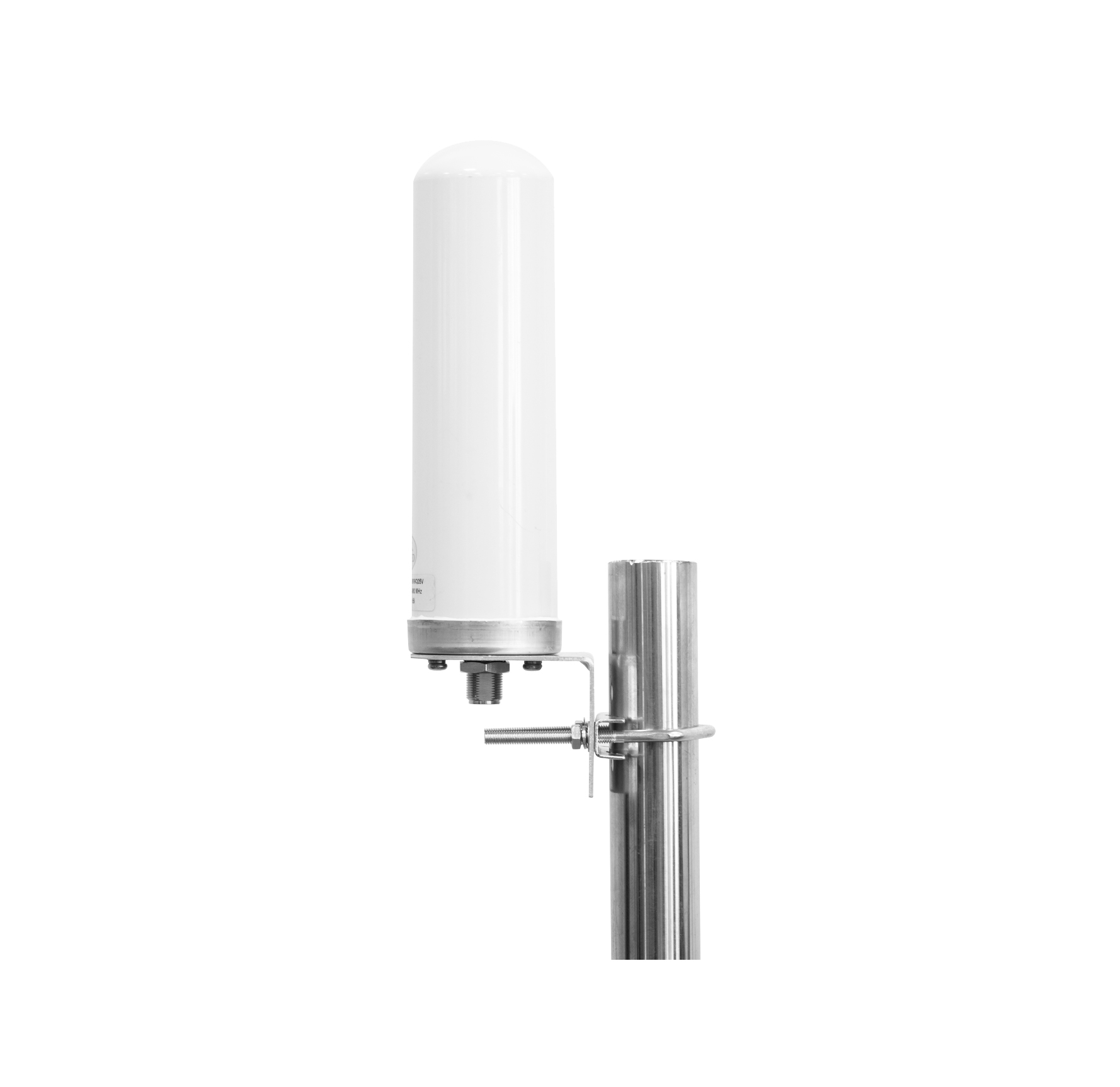
| Всенаправленные антенны | 617-6000 MHz | Круговой охват (360 градусов), диапазон, коэффициент усиления и монтаж | Объекты, требующие покрытия вокруг места установки антенны |
| Параболические и сеточные антенны | 617-6000 MHz | Направленная связь, коэффициент усиления, поляризация и юстировка | Беспроводные линии связи большего радиуса действия или точка-точка |
| Антенны Yagi | 698-4200 MHz | Направленный охват, диапазон, коэффициент усиления и направление установки | Сфокусированное покрытие и приложения для расширения сигнала |
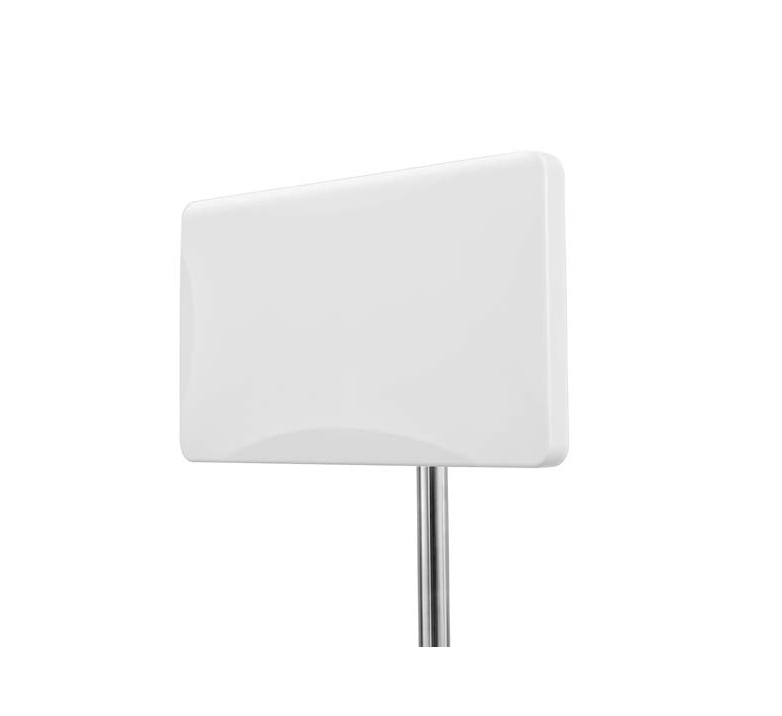
| Антенны 5G CPE и панельные антенны | Зависит от модели | Направление панели, диапазон, коэффициент усиления, разъем и совместимость с оборудованием | Фиксированная беспроводная связь и абонентское оборудование (CPE) |
| Антенны RET | 698-3800 MHz | Удаленный электрический наклон (RET), диапазон, коэффициент усиления и требования к сектору | Секторное покрытие базовых станций с управлением электрическим наклоном |
Как выбрать антенну 4G или 5G для базовой станции
Выбор правильной антенны начинается с понимания ваших радиодиапазонов и желаемой зоны покрытия. Секторная или панельная антенна фокусирует энергию на определенной площади, всенаправленная антенна обеспечивает круговое покрытие объекта, а параболические, сеточные или антенны Yagi создают сфокусированные направленные линии связи. Антенны RET предлагают дополнительную гибкость благодаря удаленному электрическому наклону для совместимых базовых станций.
- Диапазон частот: Убедитесь, что характеристики антенны охватывают все требуемые рабочие диапазоны 4G, 5G или планируемые 6G.
- Диаграмма направленности: Определите, требуется ли для объекта секторное, всенаправленное, точка-точка или узконаправленное покрытие.
- Коэффициент усиления и ширина луча: Выбирайте эти параметры в зависимости от целевой дальности покрытия и горизонтальной/вертикальной зоны охвата.
- Поляризация и порты: Убедитесь, что поляризация, конфигурация MIMO и количество портов антенны соответствуют вашему радиооборудованию.
- Требования к наклону: Подумайте, достаточно ли фиксированного механического наклона или необходима совместимая конфигурация RET.
- Разъемы и монтаж: Определите необходимые радиочастотные разъемы, типы кабелей, кронштейны, размеры мачты и высоту установки.
- Условия эксплуатации: Учитывайте ветровую нагрузку, экстремальные погодные условия и другие факторы окружающей среды, которые влияют на долговечность антенны и выбор монтажа.
Что нужно отправить для получения расчета стоимости антенны BTS или 5G
Для максимально точной оценки и расчета стоимости стандартных или индивидуальных антенн для базовых станций, пожалуйста, предоставьте нам следующие детали проекта:
- Требуемые диапазоны частот и радиотехнология
- Зона покрытия, план объекта и ожидаемое направление связи
- Предпочтительный тип антенны, коэффициент усиления и ширина луча
- Поляризация, количество портов MIMO и требования к наклону
- Требования к разъемам, кабелям, кронштейнам и мачте
- Условия установки: внутри или снаружи помещений
- Требуемое количество и пункт назначения доставки
- Брендирование OEM, упаковка или другие индивидуальные требования
Для требований к проектированию антенн или выпуску под собственной торговой маркой (private-label), ознакомьтесь с возможностями BBT ANTENNAS по созданию индивидуальных антенн и OEM/ODM.